2026-06-23
Signs You May Need A Dental Crown In Fallbrook Ca
Wondering if you need a dental crown? Learn the common signs, how dental crowns work, and when to see a dentist in Fallbrook, CA for evaluation and treatment.
Read article
Tartar is hardened plaque that forms quickly and can only be removed by a dental professional—not by brushing or flossing.
Tartar buildup can lead to serious oral and systemic health issues, including gum disease, tooth decay, bad breath, and increased risk of heart disease and diabetes.
Professional cleanings, including scaling and root planing, are essential for removing tartar and maintaining gum health.
Prevention starts at home with daily brushing, flossing, a balanced diet, and avoiding sugary, sticky foods.
Lifestyle habits like smoking accelerate tartar formation and interfere with healing—quitting greatly improves oral health.
Children and dental implants are also vulnerable to tartar buildup, so consistent care is necessary across all age groups and dental conditions.
Regular dental visits (every 6 months or as needed) and choosing an experienced provider like ADHP – Fallbrook are key to long-term oral health.
Maintaining a radiant, healthy smile goes beyond just brushing and flossing. One of the most overlooked yet essential components of oral hygiene is tartar removal. Tartar, also known as dental calculus, is a hardened form of plaque that adheres stubbornly to teeth and can lead to serious dental issues if left untreated. Understanding how tartar forms, the dangers it poses, and how to remove and prevent it is crucial for anyone aiming to preserve their oral health long-term.
Explore everything you need to know about tartar removal. From professional treatments and at-home prevention to the long-term effects of ignoring buildup. Let’s dive in and uncover the secrets to maintaining a cleaner, healthier smile.
Tartar is the calcified version of plaque—a sticky film composed of bacteria, food particles, and saliva. When plaque isn’t removed through proper brushing and flossing, it hardens within 24 to 72 hours and becomes tartar. Once formed, tartar cannot be removed by brushing alone and requires professional dental tools for complete removal.
It typically accumulates along the gumline, between teeth, and in hard-to-reach areas of the mouth. The rough surface of tartar makes it easier for more plaque to accumulate, creating a vicious cycle that increases your risk for tooth decay, gum disease, and even systemic health problems.
Tartar doesn’t just affect the appearance of your teeth—it poses serious threats to your oral and overall health. Here are some key reasons why tartar removal is crucial:
By making tartar removal a priority, you protect more than just your teeth—you’re investing in your total body health.
Once tartar has formed, only a dental professional can remove it effectively. During a dental cleaning, your hygienist uses specialized instruments to gently scrape away tartar from above and below the gumline.
For more extensive buildup, especially beneath the gums, a deeper cleaning procedure known as scaling and root planing may be recommended. This involves:
This method not only removes existing tartar but also helps reduce inflammation and allows the gums to reattach to the teeth.
While brushing and flossing can prevent tartar from forming, they cannot eliminate it once it has hardened. However, certain products and habits can help slow down or minimize buildup.
Some over-the-counter dental kits include scraping tools or tartar-control toothpastes. These can be helpful when used correctly, but improper use can damage enamel or gums. Always consult your dentist before attempting at-home scraping.
A few natural substances are believed to help reduce plaque before it hardens:
These methods can support your dental care routine, but they are not substitutes for professional tartar removal.
What you eat plays a significant role in your oral health. Some foods encourage plaque formation, while others can help fight it.
Incorporating more tooth-friendly foods into your diet can support your body’s natural defenses against plaque and tartar.
Tobacco use is one of the leading risk factors for excessive tartar buildup. Smoking decreases saliva production and promotes the growth of harmful bacteria in the mouth. This combination accelerates plaque and tartar development and also interferes with healing after tartar removal procedures.
Quitting smoking not only enhances the appearance of your teeth but also greatly improves your chances of maintaining long-term oral health.
For most individuals, dental cleanings every six months are sufficient to manage tartar. However, some may require more frequent visits, especially if they:
Your dentist will recommend the ideal frequency based on your oral health status. Regular appointments ensure tartar is addressed before it leads to serious complications.
Although often used interchangeably, plaque and tartar are not the same:
Understanding the difference is essential so you can catch early signs and take preventive measures before plaque turns into tartar.
When tartar forms near the gumline, it can push the gums away from the teeth, causing recession. As the gums pull back, the roots of the teeth become exposed, leading to increased sensitivity and a higher risk of infection.
Tartar removal is a key preventive step in avoiding gum recession. Once recession has occurred, only periodontal treatments or grafts can repair the damage—another reason not to delay dental cleanings.
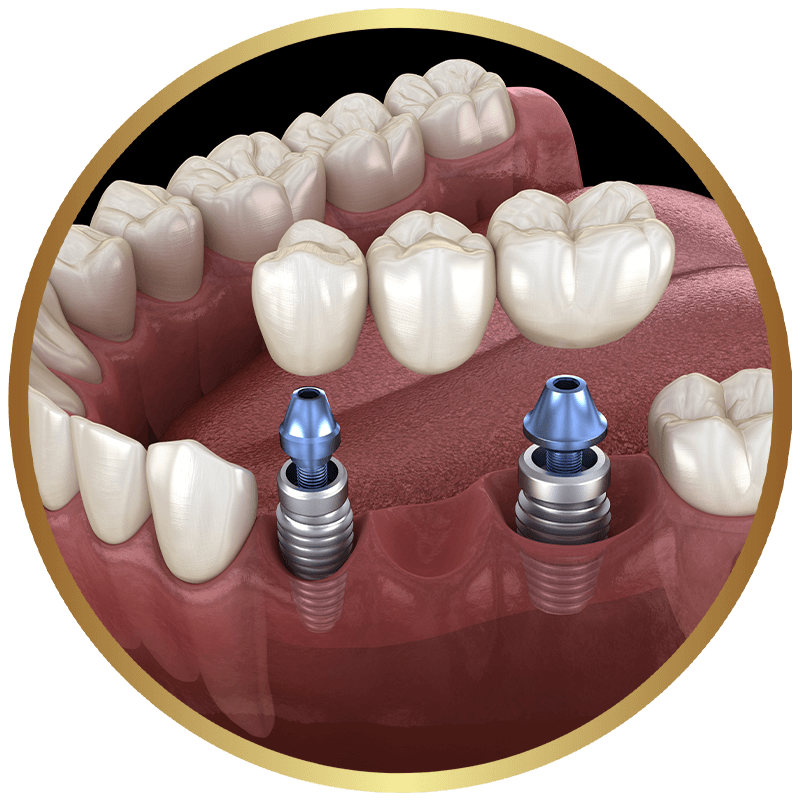
Dental implants are not immune to tartar. While the implant itself cannot decay, the surrounding gum tissue can still become inflamed if tartar is allowed to accumulate. This condition, known as peri-implantitis, can compromise the integrity of the implant.
Maintaining a regular tartar removal routine is just as important for those with implants as it is for natural teeth.
Children can also develop tartar if their oral hygiene is inconsistent. It’s vital for parents to teach proper brushing and flossing techniques early on and schedule regular dental visits.
Pediatric tartar removal is generally quick and painless, but prevention is key. Tartar in children can be a sign of sugary diets or inadequate brushing habits, both of which should be addressed promptly.
Poor oral health is more than just a localized problem. Tartar buildup has been linked to systemic issues, including:
By prioritizing tartar removal, you’re also taking proactive steps toward safeguarding your general health.
Not all dental clinics are created equal. When selecting a provider for tartar removal, look for the following qualities:
A reliable dental office will not only perform efficient tartar removal but also provide guidance on maintaining oral hygiene between visits.
Tartar removal is a vital part of maintaining oral health and overall well-being. Regular dental visits, consistent hygiene practices, and a balanced diet all work together to keep tartar at bay. Ignoring it can lead to irreversible damage—not just to your smile, but to your health as a whole.
If you’re ready to take control of your oral health and say goodbye to stubborn tartar, trust the experts at ADHP - Fallbrook. Our experienced dental professionals specialize in gentle yet thorough tartar removal using the latest techniques and technology. Whether you need a routine cleaning or more advanced periodontal care, we’re here to help you achieve a healthier, brighter smile.
Don’t wait for tartar to take a toll on your teeth—schedule your consultation with ADHP - Fallbrook today and experience personalized dental care you can count on.
This article is general information published by American Dental Health Providers. It is not a diagnosis and does not replace an in-person examination. If you have symptoms, book an appointment or call (562) 923-0038.
Book an assessment at any of our four Southern California offices.
2026-06-23
Wondering if you need a dental crown? Learn the common signs, how dental crowns work, and when to see a dentist in Fallbrook, CA for evaluation and treatment.
Read article
2026-06-23
Bleeding gums when brushing or flossing? Learn the common causes of bleeding gums, when to be concerned, and when to see a dentist in Torrance, CA.
Read article
2026-05-26
Loose tooth as an adult? Learn the causes, what to do immediately, and when to see a dentist in Torrance, CA before it becomes serious.
Read articleNeed more help? Read our accessibility statement.