
Oral Surgery
Comprehensive oral surgery for healthy smiles.
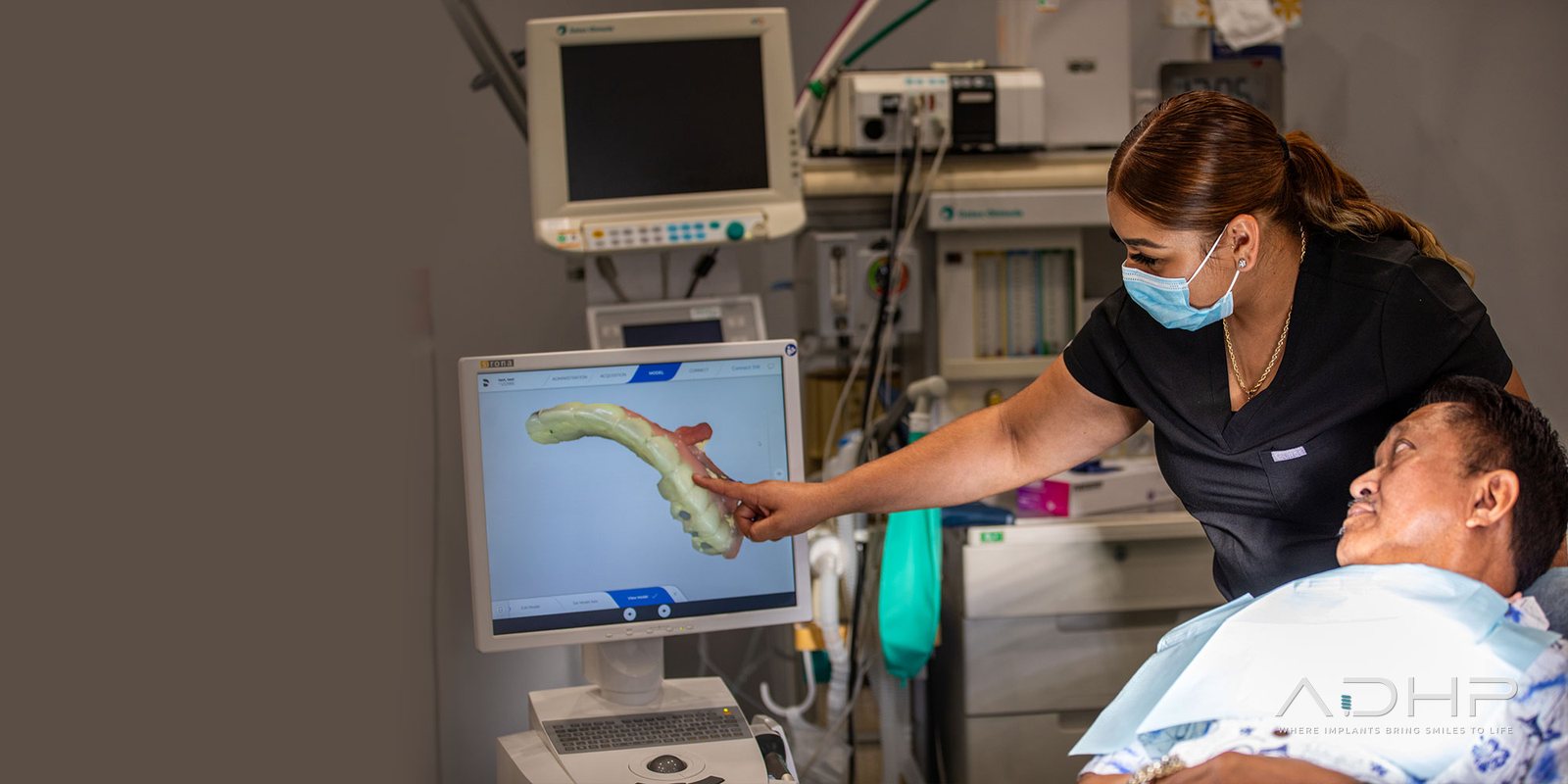
Efficient solutions, lasting results
Suppose you're struggling with discomfort or self-consciousness because of a decayed or missing tooth. In that case, ADHP is here to help with our restorative oral surgery, also known as maxillofacial surgery services. We aim to provide comprehensive solutions that address your concerns and improve your oral health and function.
At our state-of-the-art facility, our experienced dentists prioritize your comfort and safety. Using advanced technology, we perform a range of surgical treatments focusing on minimally invasive and efficient procedures. We aim to help you regain confidence and enjoy a healthy, pain-free life.
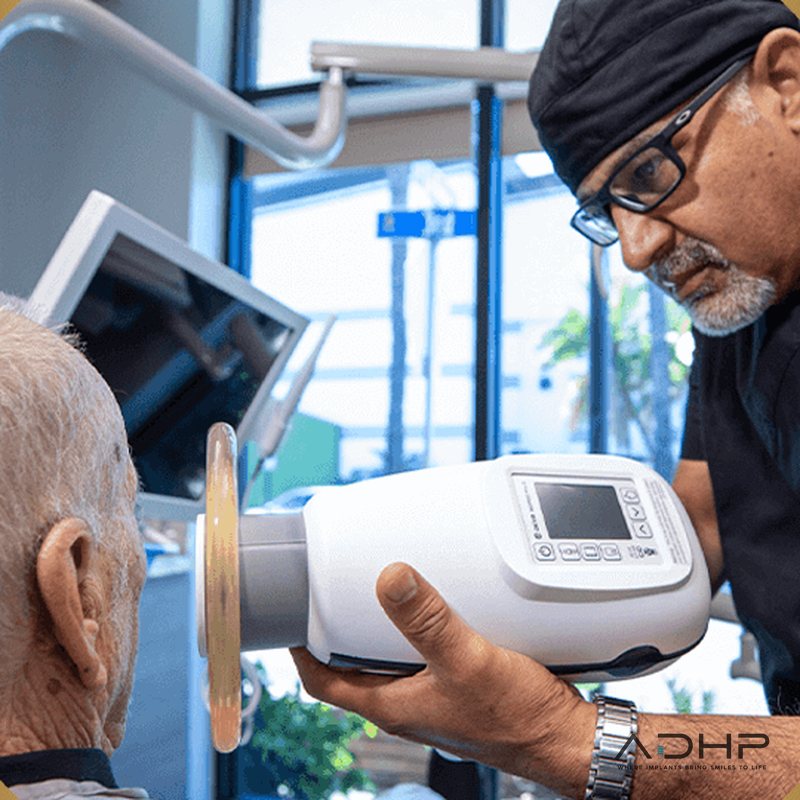
ADHP is here to help with our restorative oral surgery, also known as maxillofacial surgery services.
Gentle techniques. Comfortable environment. Caring hands.
We understand that the prospect of oral surgery can bring about nervousness and apprehension, which are entirely normal. However, our team is extensively trained in the latest techniques to make your surgery as minimally invasive as possible.
Your comfort and well-being are our top priorities at ADHP in Downey, Fallbrook, Torrance and Long Beach, CA. We take additional measures to ensure you feel at ease throughout your appointment. We aim to foster a relaxed and calm environment, enabling you to undergo your procedure with confidence and peace of mind.
Nervous about surgery? Every surgical procedure at ADHP can be carried out with safe and effective dental sedation.
Frequently asked questions
 Straight answers
What does oral surgery cover?
Restorative oral surgery, also known as maxillofacial surgery, covers surgical treatment of the mouth and jaw — including extractions, bone grafting and the surgical placement of dental implants.
Will I be awake?
That is your choice. We offer a range of sedation options and will discuss which is appropriate for your procedure and your medical history.
How minimally invasive is it?
Our team is extensively trained in the latest techniques to make your surgery as minimally invasive as possible, using advanced technology and efficient procedures.
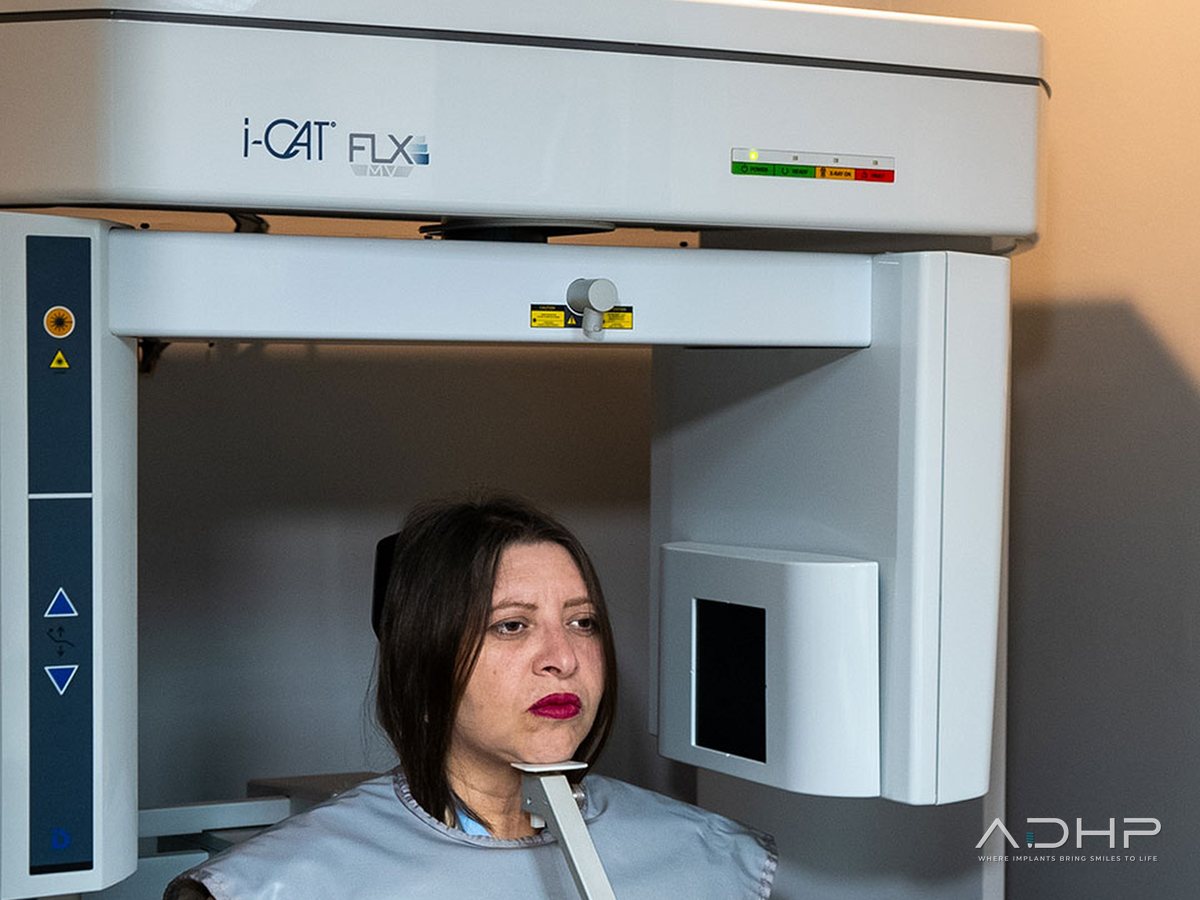
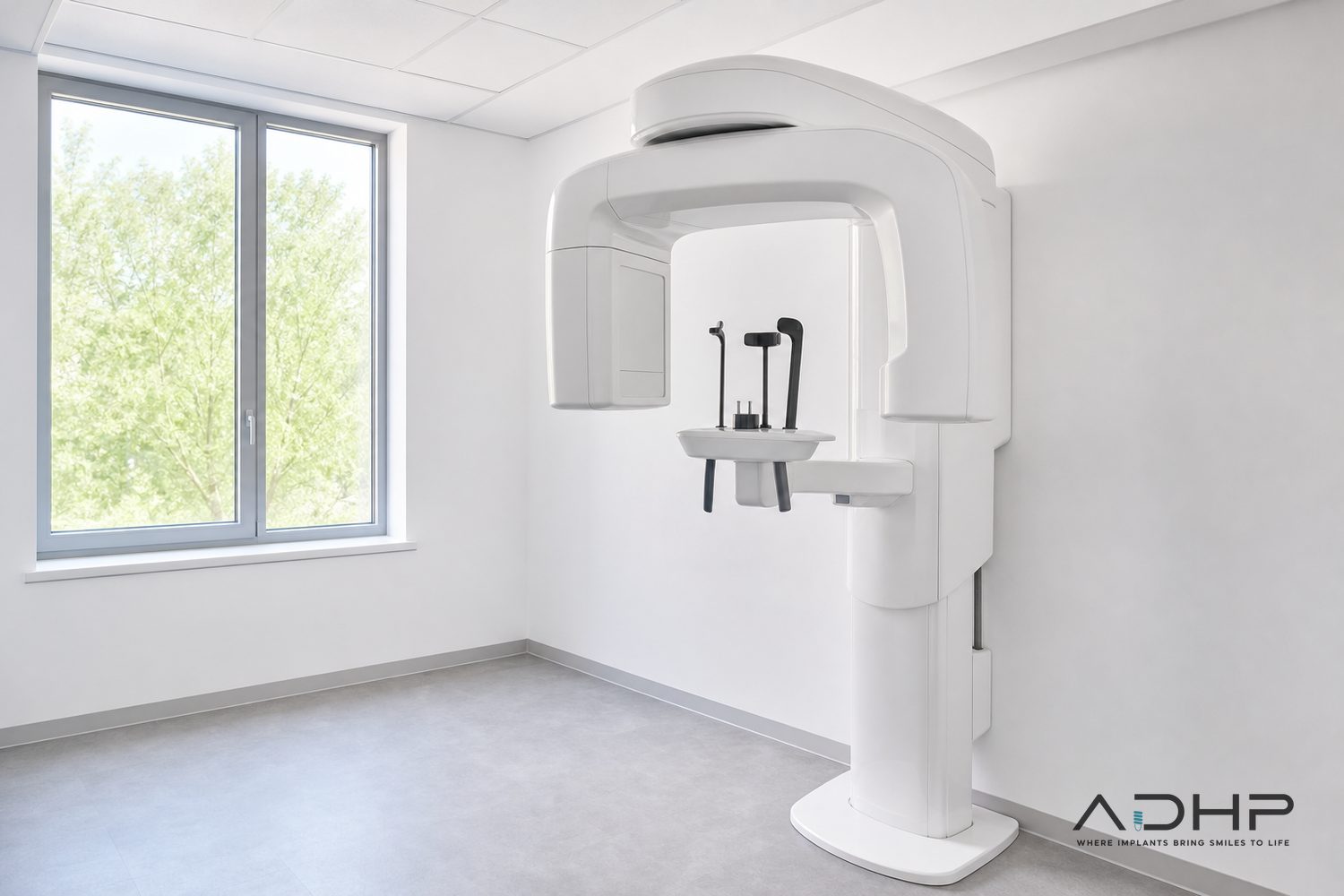 Planned on a 3D scan
, made in our own lab
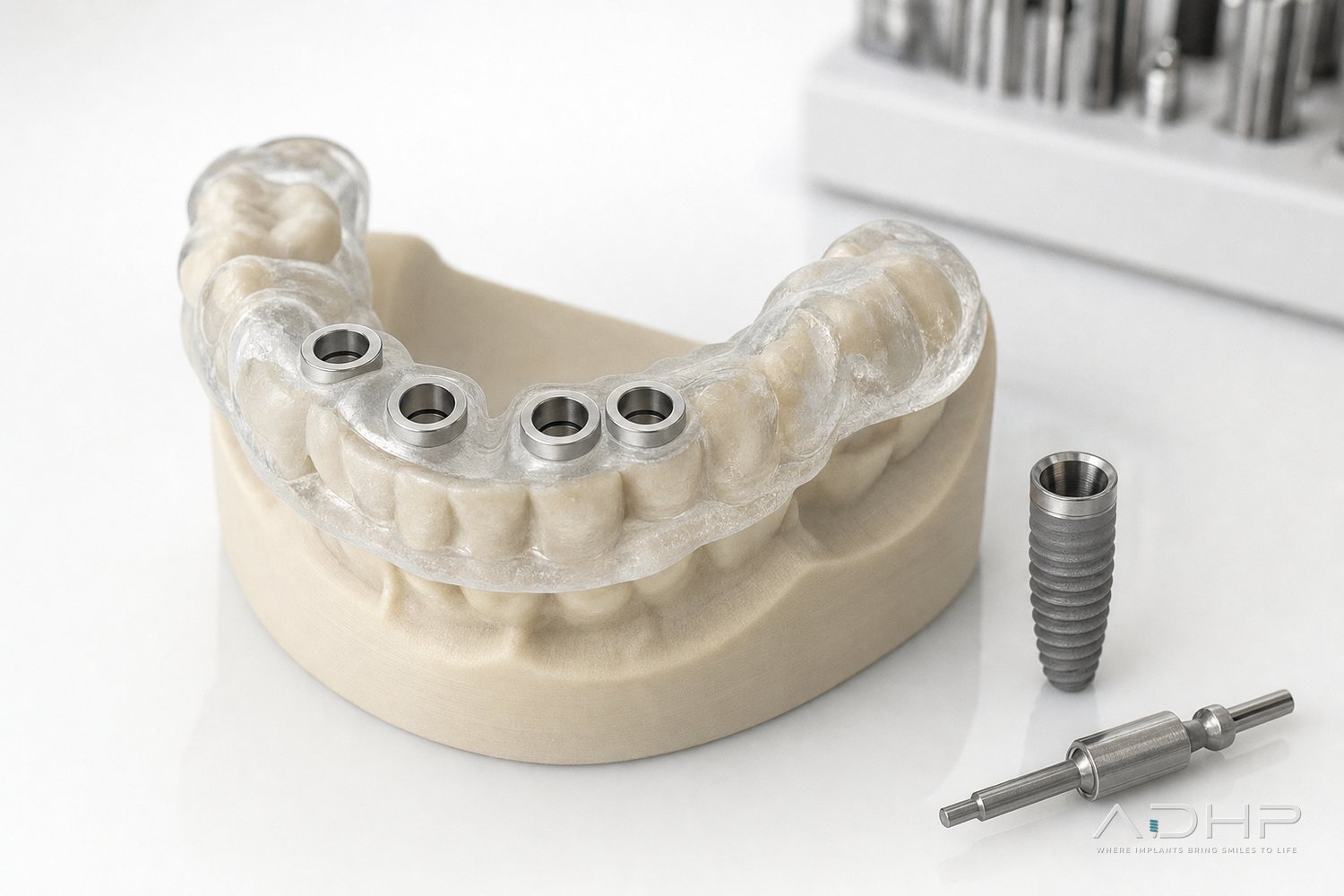
Every treatment starts with cone-beam CT imaging and a digital scan. The plan is built on screen, printed into a surgical guide where needed, and the restoration is crafted by our in-house laboratory — so the same team controls every step from first visit to final smile.
“I never had a good experience with my teeth back in the Philippines. Now I smile all the time.”Wilfredo · ADHP patient, full-arch implants
Talk to a surgeon who will explain it plainly
Book a surgical consultation at any of our four offices.
How to prepare for oral surgery and what to expect on the day of your procedure
Preparation for oral surgery usually begins several days before the appointment. The clinical team reviews your medical history, current medications, and the type of anesthesia planned, then provides written instructions matched to your procedure. Following those instructions closely supports a smoother visit and a more predictable recovery.
In the days before surgery, these steps are commonly recommended:
- Share a complete list of medications, supplements, and allergies, including blood thinners, so the team can advise whether any adjustments are needed.
- Arrange a ride home, and a responsible adult to stay with you, if sedation is planned.
- Follow fasting instructions exactly when sedation or general anesthesia is involved.
- Wear loose, comfortable clothing with short sleeves, and leave jewelry at home.
- Stock soft foods, ice packs, and clean gauze before the procedure so recovery supplies are ready.
On the day of your procedure, you will check in, confirm your health history, and review the consent form with the team. Vital signs are recorded before treatment begins. Local anesthesia numbs the surgical area, and sedation may be added depending on the plan you discussed. Length varies with complexity, from under an hour to a couple of hours. You may feel pressure or movement, but sharp pain should be reported so the team can adjust.
Immediately afterward, expect some bleeding, swelling, and tenderness. Written aftercare instructions are reviewed with you and your companion before you leave. Common guidance includes:
- Bite gently on gauze and change it as directed.
- Apply a cold compress in intervals during the first day.
- Rest with your head elevated for the first night.
- Choose soft, cool foods, and avoid straws, smoking, and vigorous rinsing, which can disturb the healing site.
- Take any prescribed or over-the-counter pain relief only as directed by your provider.
Contact the office if bleeding is heavy and does not slow with steady pressure, if fever develops, if swelling worsens after the first few days, or if numbness lasts longer than the team described. Trouble breathing or swallowing needs emergency care right away.
Recovery differs from person to person, and your own instructions take priority over general guidance. This page is informational and is not medical advice. Treatment options should always be made in consultation with a qualified physician or oral surgeon.