
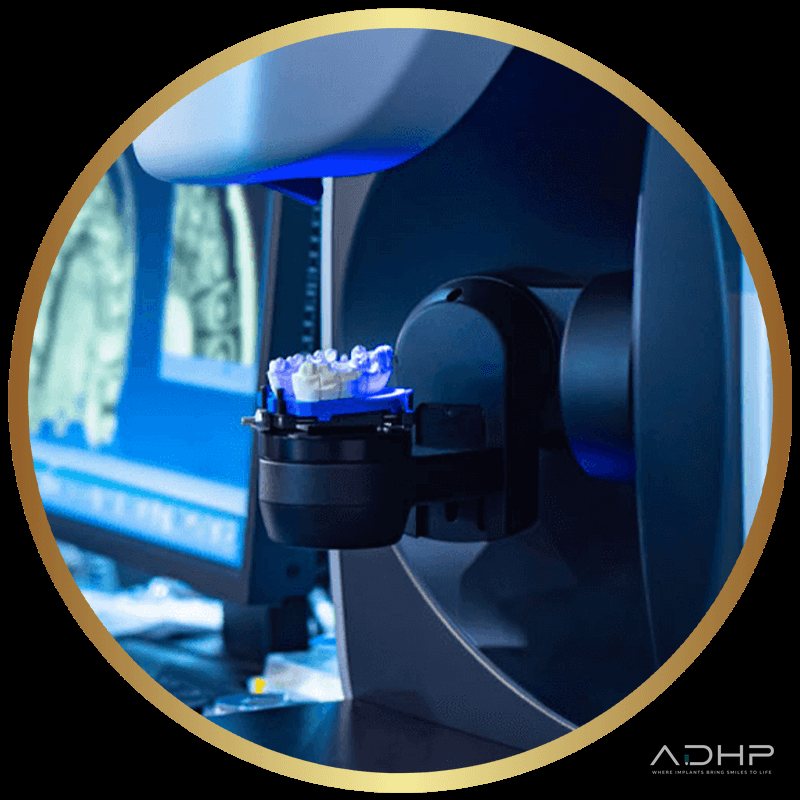
State-of-the-Art Dental Lab
Cutting-edge in-house technology for precise care.
Receive better results, faster procedures, and a smoother treatment experience
At Affordable Dental Health Providers, we use the latest and most advanced technology to ensure the highest precision and accuracy in our procedures. From detailed digital diagnostics to guided dental implant surgery, our practice includes an array of advanced technological solutions to ensure you get the best possible experience on every visit.
Our state-of-the-art equipment, including 3D cone-beam CT scanners and digital treatment planning software, allows us to plan and execute each dental implant placement meticulously. This cutting-edge technology enhances the precision of our surgeries and improves patient outcomes by minimizing discomfort and reducing recovery times. By staying at the forefront of dental innovation, we are committed to providing our patients with the most effective and efficient treatment options.
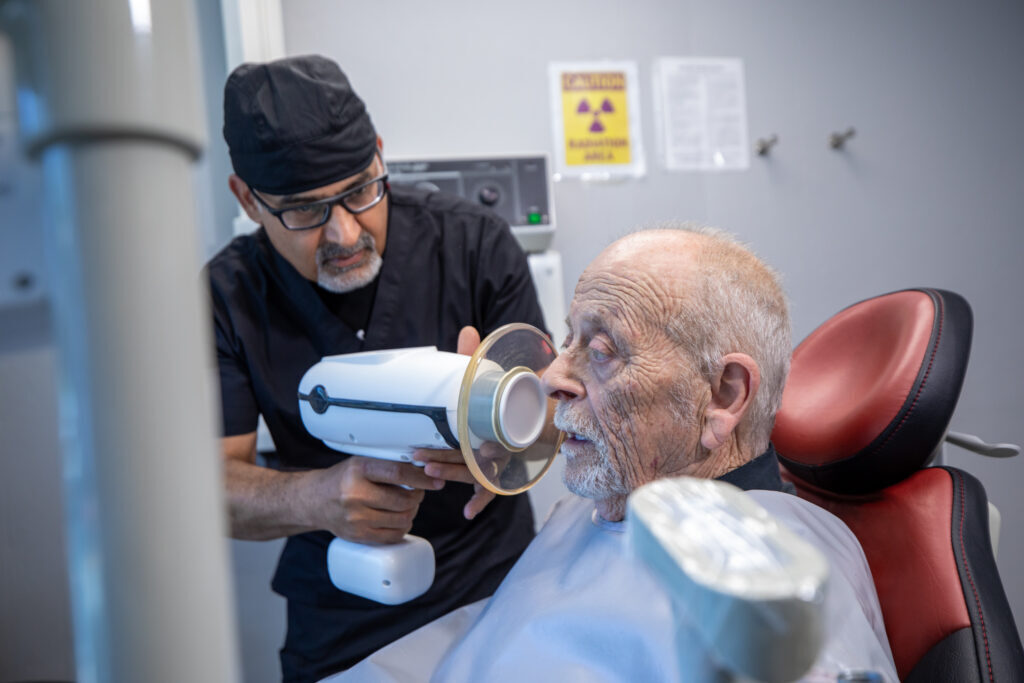
How our in-house dental lab improves your experience
Most practices send restorations out to a third-party laboratory. Keeping it in the building changes the turnaround time and how tightly we can control the result.
- FasterFaster treatment times and reduced need for multiple appointments
- BetterHigher-quality dental restorations, tailored to your unique smile
- PreciseMore precise and efficient surgical procedures, with less margin of error
- StreamlinedStreamlined dental implants and other treatments, planned and made under one roof
Living with dental problems can affect one's ability to eat and speak, as well as their mental well-being and self-confidence.
That is the reason the lab exists. Every day a restoration spends in transit is a day you spend without a finished smile — and every handoff between a surgeon and an outside technician is a chance for detail to be lost. Bringing digital impressions, design and fabrication under one roof removes both problems.
Why an in-house dental lab can mean fewer visits and a better-fitting result
Crowns, bridges, dentures, partials, and night guards are all fabricated outside the mouth before they are placed in it. Where that fabrication happens shapes the schedule, the communication between clinician and technician, and how closely the final restoration can be matched to the patient. An in-house dental lab keeps that work within the same practice.
With an outside laboratory, impressions or digital scans are sent away, and the restoration returns days or weeks later. If it needs an adjustment, such as a contact that is slightly tight or a shade that reads differently under office lighting, it often goes back out for another round. Each round can add an appointment and extend the time spent in a temporary restoration.
When fabrication and chairside care are in the same building, the clinical team can work with the technician directly. Differences that may follow include:
- Fewer handoffs. Questions about margins, bite, or shade can be answered by walking a model down the hall rather than by sending notes and waiting for a reply.
- Shorter turnaround. Without shipping time, some restorations may be completed in fewer visits, depending on the type of work and the materials chosen.
- Closer shade and contour matching. The technician can see the patient's neighboring teeth, or review them during a fitting, instead of working only from photographs and written notes.
- Easier refinements. Small changes to fit or bite can be made and checked in the same visit more readily, which may reduce the need for a remake.
An in-house dental lab is not a shortcut, and it does not suit every case. Complex restorations, specialized materials, or multi-unit work may still require more time or outside expertise. Clinical judgment, not convenience, determines the plan, and the dentist decides what is appropriate for each mouth.
Patients weighing their options may find it useful to ask a few questions at the consultation:
- Which parts of the restoration are made on site, and which are sent out?
- How many visits are typically expected for this type of work?
- What happens if the fit or shade needs adjustment after the first try?
- How are materials chosen for my situation?
Clear answers help set realistic expectations before treatment begins.
This page is informational and is not medical advice. Treatment options should always be made in consultation with a qualified dentist or physician.