2026-06-23
Signs You May Need A Dental Crown In Fallbrook Ca
Wondering if you need a dental crown? Learn the common signs, how dental crowns work, and when to see a dentist in Fallbrook, CA for evaluation and treatment.
Read article


Dental implants have become one of the most reliable ways to replace missing teeth. They are durable, natural-looking, and help restore function and confidence. However, like any medical procedure, implants can have complications. One of the more serious but less common problems is an implant screw fracture.
This blog post will explain what an implant screw fracture is, why it happens, how to spot the signs early, and what treatment options are available. Whether you already have an implant or are thinking about getting one, understanding this issue can help you make informed decisions about your oral health.
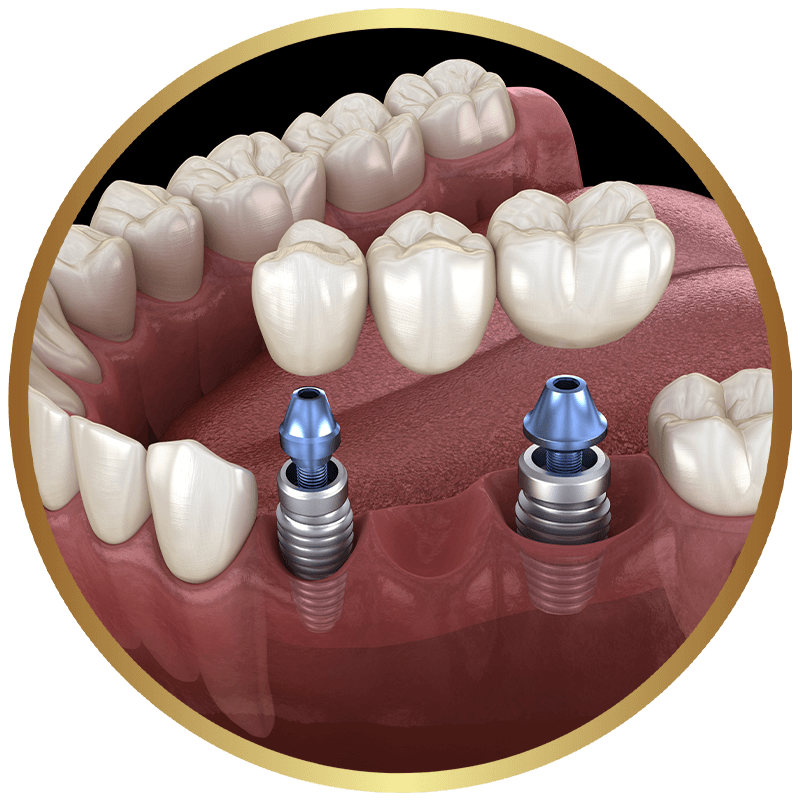
A dental implant is made up of three main parts: the implant (which is inserted into the jawbone), the abutment (which connects the implant to the crown), and the crown (the part that looks like a tooth). The screw plays a critical role in holding these parts together.
When that screw cracks or breaks, it's called an implant screw fracture. This type of damage weakens the implant structure and can lead to movement, pain, or even failure of the entire implant system if not treated.
Although dental implants are made with strong materials like titanium, the screws are still small and carry a lot of stress. Several things can lead to fracture over time:
If you grind your teeth or bite down very hard (especially at night), the pressure can cause the screw to fatigue and eventually break.
If the implant is not placed at the right angle or depth, it can cause uneven pressure on the screw, which weakens it over time.
When the crown or abutment isn’t fitted correctly, the screw may be forced to support more weight than it should.
A strong implant needs a solid base. If the bone around the implant is weak or begins to shrink, it can affect how stable the screw is.
Even high-quality metal can fail over time, especially if the screw has a manufacturing defect or experiences corrosion.
A screw fracture can sometimes happen without immediate pain. In other cases, it might be quite noticeable. Look out for these signs:
If you notice any of these symptoms, don’t wait. A cracked or broken screw will not fix itself and usually gets worse over time.
Diagnosing a screw fracture can be tricky because the break often occurs deep inside the implant where it’s not visible. Dentists usually use a combination of the following methods:
Sometimes, a broken screw is only discovered during an attempt to tighten or remove the implant crown.
The treatment for an implant screw fracture depends on where the break happened, how serious the damage is, and how easily the broken piece can be removed. Here are the most common solutions:
If the broken piece can be removed without damaging the implant body, a new screw can be placed. This is the best-case scenario.
In cases where the crown or abutment is damaged too, the dentist may replace both the screw and the upper parts of the implant.
If the fractured screw is stuck deep inside the implant and cannot be retrieved, the entire implant may need to be removed and replaced. This is more complex and may require bone grafting if bone has been lost.
If full removal isn't possible right away, a dentist might temporarily stabilize the implant to reduce discomfort and prevent further damage while a long-term plan is created.
While not every fracture can be avoided, there are ways to reduce your risk and help your implant last longer:
Grinding (also known as bruxism) puts tremendous pressure on dental implants. A night guard protects both natural and implanted teeth from damage.
Routine visits help catch small issues before they become major problems. Your dentist will check for loose screws, unusual wear, and early signs of damage.
Never use your teeth (or your implants) to open packages or chew on hard items like ice or pens.
The experience and precision of the dentist placing your implant matters. A poorly placed implant is more likely to have problems down the road.
After your implant is placed, it’s important to follow all instructions. This includes eating soft foods for a while, avoiding certain habits, and taking medications if prescribed.
In some cases, yes. If the screw has broken in a way that it can be accessed and removed, the repair can often be done in a regular dental office without surgery. However, if the screw is stuck inside the implant body or embedded in the bone, more involved treatment may be needed.
The best way to find out is to schedule an appointment with a dental professional who has experience in treating implant complications.
When placed correctly and well cared for, implants—including their screws—can last 10 to 20 years or even longer. However, like natural teeth, they are not invincible. The materials used are extremely strong, but years of chewing and pressure can eventually wear them down, especially if extra forces are involved (like grinding or misalignment).
Getting regular maintenance checks and keeping up with good oral hygiene will go a long way in protecting the entire implant system.
It depends on the situation. If you are in severe pain, cannot chew, or the implant is moving or at risk of falling out, it should be treated as an urgent dental issue.
Even if there’s no pain, a broken screw should never be ignored. The longer you wait, the more likely it is that further damage will occur—possibly making the repair more difficult or even impossible.
Caring for your dental implants is similar to caring for your natural teeth, but with a few extra precautions:
Good habits now can help prevent future problems—including screw fractures.
If you suspect a problem with your dental implant, don’t wait. At ADHP - Fallbrook, we specialize in dental implants and advanced treatments like implant screw fracture repair. Our experienced team uses the latest tools and techniques to diagnose issues quickly and provide solutions that are safe, effective, and long-lasting.
Don’t let a fractured screw affect your smile or quality of life. Contact ADHP - Fallbrook today to schedule a consultation and get the expert care you deserve.
This article is general information published by American Dental Health Providers. It is not a diagnosis and does not replace an in-person examination. If you have symptoms, book an appointment or call (562) 923-0038.
Book an assessment at any of our four Southern California offices.
2026-06-23
Wondering if you need a dental crown? Learn the common signs, how dental crowns work, and when to see a dentist in Fallbrook, CA for evaluation and treatment.
Read article
2026-06-23
Bleeding gums when brushing or flossing? Learn the common causes of bleeding gums, when to be concerned, and when to see a dentist in Torrance, CA.
Read article
2026-05-26
Loose tooth as an adult? Learn the causes, what to do immediately, and when to see a dentist in Torrance, CA before it becomes serious.
Read articleNeed more help? Read our accessibility statement.