
2026-06-23
Signs You May Need A Dental Crown In Fallbrook Ca
Wondering if you need a dental crown? Learn the common signs, how dental crowns work, and when to see a dentist in Fallbrook, CA for evaluation and treatment.
Read article

Tooth extractions are sometimes necessary to maintain overall dental health, whether due to severe decay, infection, trauma, or overcrowding. But once a tooth is removed, many people wonder what comes next. Missing teeth can affect how you chew, speak, and even how confident you feel about your smile. Understanding your options after tooth extraction is key to restoring both function and appearance.
This article breaks down the most effective solutions available today, their pros and cons, and how to decide which one is right for you.
Before exploring your replacement choices, it’s important to understand why replacing a missing tooth is so crucial. Many people assume that losing a single tooth is not a big deal—especially if it’s in the back—but the truth is, gaps in your mouth can have lasting effects.
Here’s what can happen when a missing tooth isn’t replaced:
Replacing your missing tooth helps prevent these issues and keeps your smile balanced, functional, and healthy.
Modern dentistry offers several reliable ways to replace a missing tooth. Your ideal solution depends on your oral health and long-term goals. Below are the most common options after tooth extraction explained in detail.
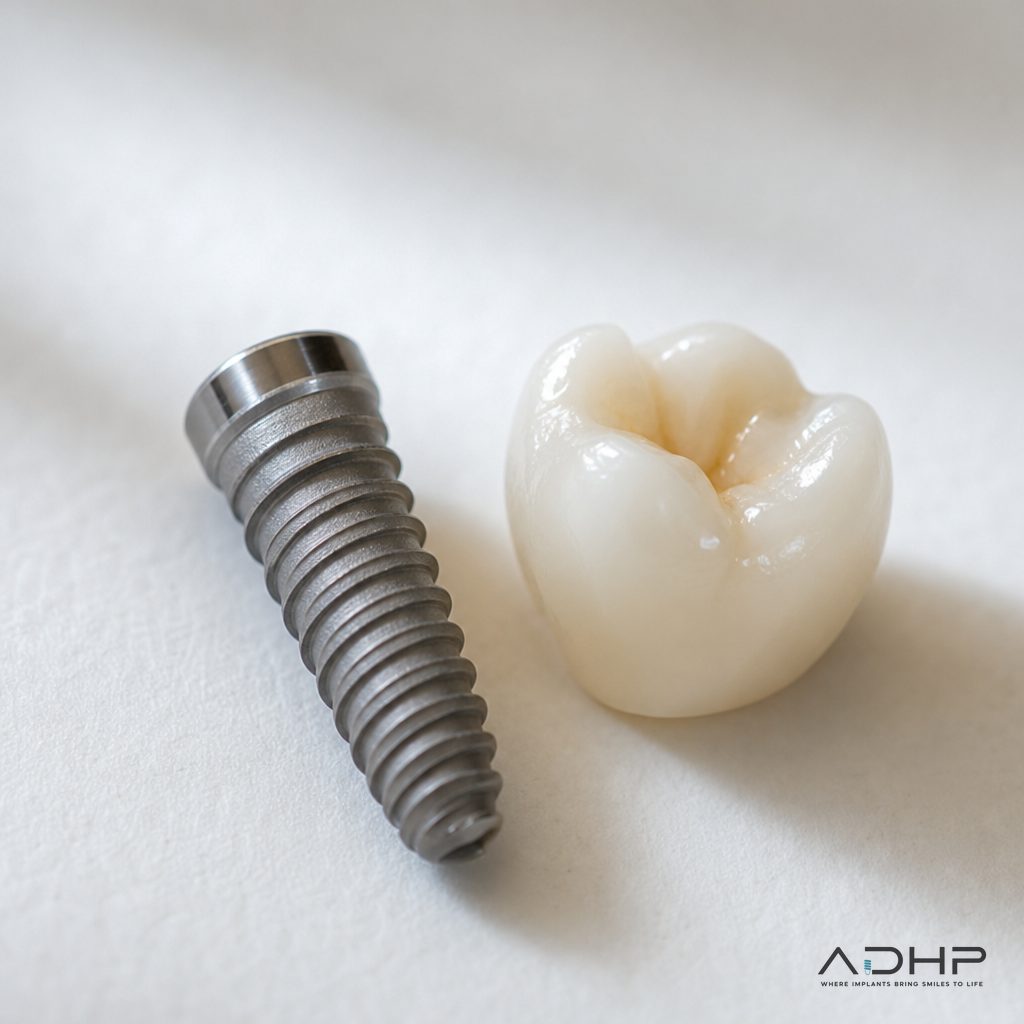
Dental implants are widely considered the gold standard for tooth replacement. They are small titanium posts surgically placed into the jawbone, acting as artificial roots. Once healed, a crown, bridge, or denture is attached to complete the restoration.
Considerations:
Dental implants may be worth discussing with your dentist if you are looking for a durable, natural-feeling option—your provider can help determine whether they are appropriate for your situation.
A dental bridge is a non-surgical solution that “bridges” the gap left by one or more missing teeth. It typically consists of an artificial tooth (or teeth) held in place by crowns attached to the neighboring natural teeth.
Considerations:
Bridges may be an option worth exploring with your dentist if you are considering a fixed restoration but have questions about implants.
Partial dentures are removable appliances that replace one or several missing teeth. They attach to your remaining natural teeth with clasps or precision attachments.
Considerations:
Partial dentures are a removable solution suitable for patients with multiple missing teeth.
If you’ve had multiple extractions or lost all your teeth in one or both arches, full dentures can restore your smile and help you eat and speak again. Modern dentures are more natural-looking and comfortable than ever.
Considerations:
Many patients pair dentures with dental implants (known as implant-supported dentures) to improve stability and comfort.
For patients missing several teeth in a row—or even an entire arch—implant-supported restorations combine the advantages of implants with the practicality of bridges or dentures.
Considerations:
If you want a durable, full-mouth solution with excellent functionality, implant-supported bridges or dentures are worth considering.
Before choosing your tooth replacement, you’ll need to allow your mouth time to heal after extraction. Healing typically takes one to two weeks for soft tissue, but bone recovery can take several months.
Once your mouth has healed, your dentist will help you determine the best replacement option based on your health and goals.
Some people choose not to replace a missing tooth—especially if it’s not visible when they smile. However, leaving a gap in your mouth can cause several long-term issues, including:
Replacing a tooth soon after extraction helps preserve your bite alignment, jaw health, and smile aesthetics.
Modern dental technology has made tooth replacement safer, faster, and more precise. Some of the innovations that enhance treatment outcomes include:
These advancements ensure that your chosen restoration not only looks natural but also lasts for years with proper care.
Selecting the right tooth replacement depends on your individual needs. Here is a brief overview to help guide your conversation with your dentist:
Your dentist will assess your bone structure and oral health to recommend the most suitable treatment.
No matter which replacement you choose, proper care is essential to keep it in good condition.
Daily Care Tips:
Consistent care will keep your restoration functional and your smile healthy for years to come.
Beyond restoring your bite, replacing a missing tooth can boost your quality of life. Some people who replace missing teeth report:
Replacing a missing tooth may support both your oral health and your overall well-being—talk with your dentist to learn what options could work for you.
Understanding your options after tooth extraction allows you to make an informed decision that fits your lifestyle and dental health goals. Whether you choose dental implants, bridges, or dentures, the goal is the same—to restore comfort, confidence, and function to your smile.
If you’re ready to explore your best tooth replacement options, ADHP – Torrance is here to help. Our team specializes in advanced restorative and cosmetic dentistry, offering personalized solutions for every patient. From dental implants to bridges and dentures, we’ll guide you through each step to ensure lasting results and a natural look.
Contact ADHP – Torrance today to schedule your consultation and take the first step toward a confident, healthy smile.
This article is general information published by Affordable Dental Health Providers. It is not a diagnosis and does not replace an in-person examination. If you have symptoms, book an appointment or call (562) 923-0038.

Book an assessment at any of our four Southern California offices.
2026-06-23
Wondering if you need a dental crown? Learn the common signs, how dental crowns work, and when to see a dentist in Fallbrook, CA for evaluation and treatment.
Read article
2026-06-23
Bleeding gums when brushing or flossing? Learn the common causes of bleeding gums, when to be concerned, and when to see a dentist in Torrance, CA.
Read article
2026-05-26
Loose tooth as an adult? Learn the causes, what to do immediately, and when to see a dentist in Torrance, CA before it becomes serious.
Read articleNeed more help? Read our accessibility statement.