2026-06-23
Signs You May Need A Dental Crown In Fallbrook Ca
Wondering if you need a dental crown? Learn the common signs, how dental crowns work, and when to see a dentist in Fallbrook, CA for evaluation and treatment.
Read article

Dental care is more than just routine cleanings and fillings. Sometimes, treatments like bone grafts are discussed even when a patient isn’t planning to get a dental implant. If you’ve ever wondered, do i need a bone graft if i'm not getting an implant, you’re not alone. Understanding why bone grafts are recommended and what alternatives exist can help you make informed decisions for your oral health.
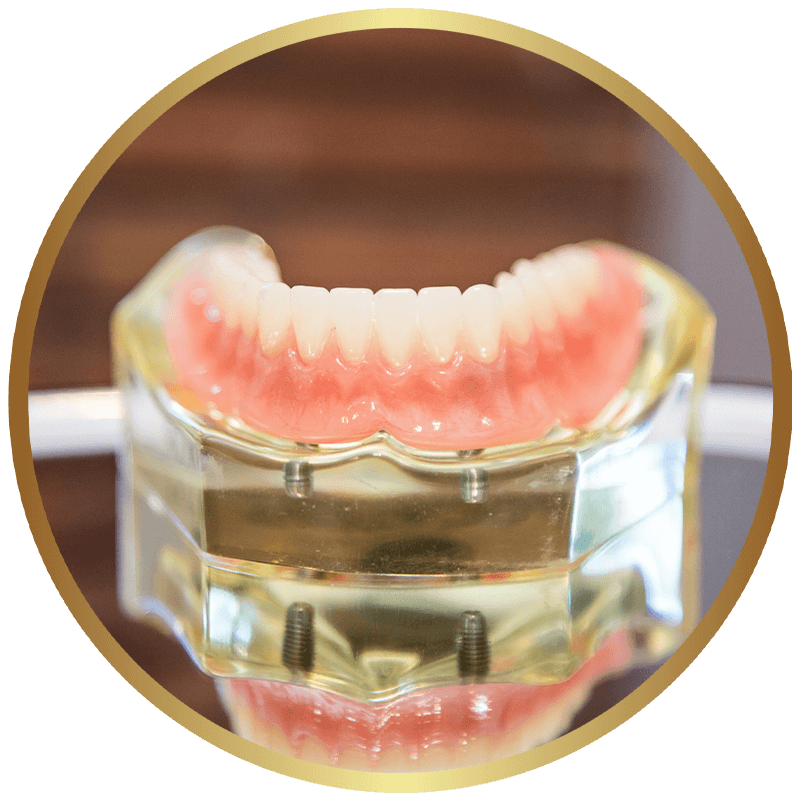
Bone grafting is commonly associated with dental implants, but it is not exclusive to them. There are multiple reasons a dentist might suggest a bone graft, even if you are not planning an implant. This article explores what bone grafts are, their purpose, alternatives, and factors to consider in your decision-making.
A bone graft is a dental procedure where material is added to your jawbone to support bone health and structure. This material can come from your own body, a donor, or synthetic sources. Bone grafting helps maintain or restore the shape and density of the jawbone.
The main goal is to provide support for your teeth and facial structure. Even if you’re not getting an implant, maintaining adequate bone levels can prevent shifting teeth, gum recession, and changes in your facial appearance.
Dentists may recommend bone grafts for several reasons, not all related to implants:
When a tooth is removed, the surrounding bone may shrink over time. This can alter your smile and make future dental work more challenging. A bone graft can help preserve the jawbone’s shape.
If you plan to wear dentures or bridges, a strong jawbone provides better fit and comfort. Bone grafts can prevent discomfort and reduce the risk of denture slippage.
Loss of bone can lead to sunken cheeks and changes in your facial profile. Bone grafts can prevent these aesthetic issues, maintaining your natural appearance.
Severe periodontal disease can cause bone loss around teeth. Grafting can help restore bone levels and support remaining teeth.
Even though bone grafts have benefits, they aren’t always required. Your dentist will consider several factors:
If you are unsure about getting a bone graft, there are alternatives to maintain jawbone health:
Regular dental checkups, brushing, and flossing prevent tooth loss and protect bone density. Healthy teeth stimulate the jawbone naturally.
Modern dentures and bridges can be designed to fit well without requiring additional bone support in some cases.
Orthodontic procedures can help align teeth and maintain jaw structure, reducing the need for grafting.
In some cases, less invasive techniques such as socket preservation may help maintain bone levels after tooth extraction without full grafting.
Like any procedure, bone grafting carries considerations:
Understanding these factors helps you weigh the benefits against potential downsides.
Even if you’re not planning an implant, certain signs indicate that a bone graft might improve oral health:
A dental professional can evaluate your jawbone through X-rays or CT scans to determine if grafting is beneficial.
Bone grafts are proactive treatments. They can prevent:
Even if you currently have no plans for implants, preserving bone now can make future dental care simpler and less involved.
A bone graft procedure typically involves:
Dentists provide aftercare instructions to ensure proper healing and reduce risks of infection or complications.
Proper aftercare is essential for successful grafting:
Following these guidelines improves the likelihood of a successful procedure and reduces discomfort.
The decision to get a bone graft should be made with guidance from a qualified dental professional. Questions to ask include:
A thorough consultation ensures that you understand both the necessity and implications of grafting.
Bone graft procedures vary in complexity depending on the materials used and extent of bone loss involved. Some dental insurance plans cover bone grafts when deemed medically necessary. Discussing your treatment plan with your dentist in advance helps you prepare and avoid surprises.
Even without implants, maintaining healthy jawbone has long-term advantages:
Prioritizing jawbone health now can prevent more involved procedures later.
The answer depends on your individual circumstances. Factors like bone density, oral health, age, and future dental plans all play a role. While some patients may not require grafts, others may benefit from proactive preservation of the jawbone. Consulting a dentist will help you make an informed choice tailored to your needs.
Taking care of your oral health is essential, and ADHP - Fallbrook is here to guide you through every step. Whether you’re considering a bone graft, exploring restorative treatments, or simply maintaining your smile, their team of experienced dental professionals provides personalized care tailored to your needs.
From consultations to advanced dental procedures, ADHP - Fallbrook ensures that you receive the best treatment and guidance for your oral health. Don’t wait to protect your smile and jawbone—schedule a visit with ADHP - Fallbrook today for expert dental care you can trust.
This article is general information published by American Dental Health Providers. It is not a diagnosis and does not replace an in-person examination. If you have symptoms, book an appointment or call (562) 923-0038.
Book an assessment at any of our four Southern California offices.
2026-06-23
Wondering if you need a dental crown? Learn the common signs, how dental crowns work, and when to see a dentist in Fallbrook, CA for evaluation and treatment.
Read article
2026-06-23
Bleeding gums when brushing or flossing? Learn the common causes of bleeding gums, when to be concerned, and when to see a dentist in Torrance, CA.
Read article
2026-05-26
Loose tooth as an adult? Learn the causes, what to do immediately, and when to see a dentist in Torrance, CA before it becomes serious.
Read articleNeed more help? Read our accessibility statement.