2026-06-23
Signs You May Need A Dental Crown In Fallbrook Ca
Wondering if you need a dental crown? Learn the common signs, how dental crowns work, and when to see a dentist in Fallbrook, CA for evaluation and treatment.
Read article
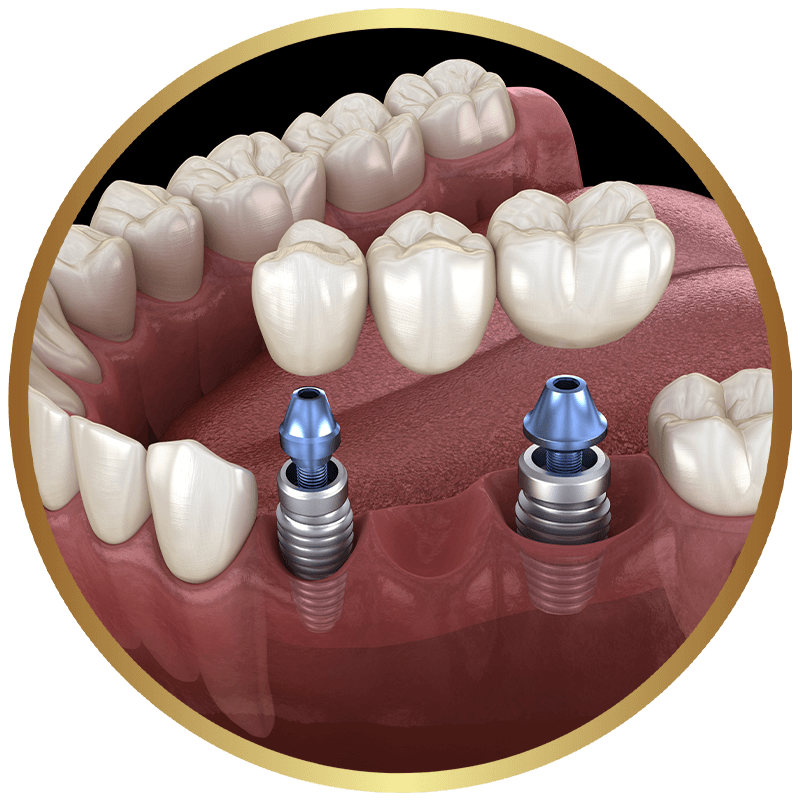
Dental implants are a revolutionary solution for those looking to restore their smile and confidence. At ADHP, we understand that the journey to a perfect smile doesn't end with the implant surgery; it's just the beginning. This guide is designed to walk you through every step of the dental implant recovery process, ensuring you achieve the best results. Let's embark on this journey together, with ADHP by your side.
The first phase of dental implant recovery is crucial. During the initial 24 to 48 hours, it's normal to experience some swelling and discomfort. At ADHP, we recommend applying ice packs intermittently and resting to minimize swelling. Remember, this is your body's way of starting the healing process.
Long-term success of dental implants hinges on several factors. Good oral hygiene, avoiding harmful habits like smoking, and regular dental check-ups play pivotal roles. At ADHP, we emphasize the importance of these practices to ensure your implant's longevity.
At ADHP, your recovery is our priority. We provide personalized care plans and follow-up appointments to monitor your progress. Our experts are always ready to address any concerns you may have during your recovery journey.
Post-surgery, it's crucial to avoid hard, sticky, or extremely hot foods that can harm your implant site. Foods like nuts, candies, and very crunchy items should be off your menu for a while. These precautions prevent undue pressure and heat from affecting the healing implant.
After your dental implant surgery at ADHP, it's important to be mindful of your diet. Avoiding hard, sticky, or extremely hot foods is crucial. These can disrupt the healing process and potentially damage your new implant. Foods like nuts, candies, and crunchy snacks should be set aside for now. Also, steer clear of overly spicy foods that might irritate the surgery site.
Knowing what to eat after dental surgery can help with lingering pain and set you up for lifetime success.
Soft foods are your best friends post-surgery. Think mashed potatoes, yogurt, smoothies, and soups. These foods are not only gentle on your implants but also provide the necessary nutrients for healing. Remember, a balanced diet aids faster recovery.
Enjoy this smooth, fruity option. Perfect for a light snack or dessert, and gentle on your gums.
Mash it for a creamy, nutrient-rich treat. Avocados are great for healthy fats and easy digestion.
A hassle-free, pureed option. Ideal for when you need something gentle and ready-made.
Soft and comforting, these are easy to eat and provide good nutrition and energy.
Mash them for a potassium-rich snack. Mix with yogurt or milk for a smoother texture.
A savory, liquid option. Chicken, beef, or vegetable broths are soothing and hydrating.
Go for well-cooked, soft casseroles. They're comforting and can be packed with nutrients.
A delightful treat. Opt for soft cheesecakes for a gentle, sweet indulgence.
Soft or melted cheeses are a great source of calcium and are easy on your implants.
These are smooth and nutrient-rich, making them an excellent, easy-to-swallow seafood option.
This rice porridge is comforting and can be flavored in many ways to suit your taste.
Well-cooked for a soft, comforting meal. Can be sweet or savory based on your preference.
A versatile dairy option. Enjoy it plain or mix with soft veggies for added flavor.
A smooth, creamy dessert that's easy to eat and can be made in various flavors.
Enjoy with soft bread or veggies. Options like hummus and guacamole add great flavor.
Scrambled or poached, possibly with soft cheese. A protein-rich choice that's gentle on your mouth.
Soft varieties like tuna or lox are nutritious and easy to chew, making them ideal post-surgery.
A cold, soothing treat. Choose flavors without seeds or nuts for a smooth experience.
Soft, wobbly, and fun to eat. It's a light option that's easy on your mouth.
Freshly squeezed or vitamin-enriched juices are refreshing and good for hydration.
A comfort food classic. Ensure it's soft and well-cooked for easy eating.
Creamy and smooth, these are a staple soft food that can be flavored in various ways.
Mashed or finely chopped, these are a hearty option that can be made soft for comfort.
Nutritional shakes or flavored milks offer a tasty way to stay nourished and hydrated.
Soft, easy-to-chew options. Ideal for a comforting meal that's gentle on dental implants.
Smooth and rich in protein. Peanut, almond, or cashew - great as spreads or in smoothies.
Warm and soothing, oatmeal can be flavored with honey or fruits for a nutritious meal.
Choose pies with soft fillings. A delightful treat when you crave something sweet.
A versatile cornmeal dish, soft and comforting, can be enjoyed in various flavors.
Chocolate or fruit-flavored, puddings are a smooth and easy-to-eat dessert option.
Quick and comforting, these noodles in broth are a soothing, easy-to-eat meal.
Creamy and soft, risotto is a luxurious dish that's gentle on your mouth and filling.
Light, fluffy, and available in flavors like strawberry or chocolate for a sweet treat.
Soft and nutritious, these are easy to digest and can be a comforting side dish.
Soft-cooked and versatile, rice is a gentle, staple food that pairs well with many dishes.
A refreshing, frozen treat. Sherbet can help soothe your mouth post-surgery.
Enjoy this without the bun for a soft, savory meal that's easy to manage and tasty.
Smooth varieties like tomato or pumpkin are warm, comforting, and easy to consume.
Blend fresh fruits with milk or yogurt for a nutritious, easy-to-drink meal option.
Soak in milk or a hot drink for a soft, easy-to-eat treat that's gentle on your implants.
Creamed or mashed, spinach is rich in iron and vitamins, making it a healthy choice.
Veggie stews, cooked until soft, are a nutritious and savory option for a full meal.
Soft options like doughnuts or muffins can be a comforting, sweet snack.
Flavors like key lime or pumpkin, focusing on the soft filling, are a delightful choice.
A versatile dessert that can be made with your favorite juices for a soft, sweet treat.
Enjoy iced or warm (not hot) to help reduce bleeding and soothe your mouth.
Soft, mashed, or cubed, tofu is a versatile protein source that's easy on your mouth.
Soft-cooked vegetables like cauliflower or zucchini are nutritious and gentle.
Softened with juice or milk, waffles can be a comforting, easy-to-eat breakfast option.
Choose smooth varieties without seeds for a soothing, nutrient-rich snack or dessert.
After dental implant surgery at ADHP, paying attention to your diet is not just about what foods to avoid or consume; it's about ensuring balanced nutrition. A well-rounded diet aids in faster healing and strengthens your overall oral health. Incorporating foods rich in vitamins, minerals, and proteins is key. This is where the role of dental implant nutrition becomes crucial.
Sometimes, your regular diet may not provide all the necessary nutrients for optimal healing. Supplements like Vitamin C, Calcium, and Vitamin D can play a significant role in dental implant recovery. However, it's important to consult with your ADHP specialist before starting any supplements.
Staying hydrated is essential for healing. Water aids in keeping your mouth clean and supports overall health. It's especially important to drink plenty of water after meals to help cleanse your mouth and ensure the health of your dental implant.
A common question we hear at ADHP is, "When can I drink soda after tooth extraction?" It's best to wait at least 48 hours before consuming soda or any carbonated beverages. These drinks can irritate the surgical site and delay healing. For dental implant recovery, it's crucial to give your mouth the right environment to heal, and avoiding soda initially is a part of that.
Drinking soda after tooth extraction and implant surgery can irritate and delay your healing.
Maintaining dental implant care is vital for the longevity of your implants. Gentle brushing twice a day, flossing, and using an antibacterial mouthwash are key steps. At ADHP, we recommend using soft-bristled toothbrushes and non-abrasive toothpaste to protect your implants and surrounding gums.
While rare, it's important to be aware of the signs of bad dental implants. If you experience persistent discomfort, swelling, or any unusual symptoms, contact ADHP immediately. Early detection and intervention are crucial for addressing any issues.
Long-term dental implant success depends on consistent care and regular dental check-ups. At ADHP, we stress the importance of routine maintenance to ensure the longevity of your implants. This includes professional cleanings and periodic evaluations.
Visiting ADHP for a regular check-up after dental implant surgery can lead to lifetime success. Pictured Dentist - Dr. Cohen
Certain lifestyle adjustments can enhance the longevity of your dental implants. Quitting smoking, reducing sugar intake, and avoiding hard foods can significantly impact the health of your implants. ADHP is here to guide you through these changes for optimal dental health.
Regular check-ups at ADHP are essential. These appointments allow us to monitor your implants and overall oral health, ensuring any potential issues are addressed promptly.
In conclusion, dental implant recovery is a journey that involves careful attention to your oral hygiene, diet, and lifestyle. At ADHP, we are committed to guiding you through every step of this journey. Remember, the success of your dental implants depends not only on the skilled hands of our professionals but also on how you care for them post-surgery. By following these guidelines and maintaining regular visits to ADHP, you can enjoy the lasting benefits of your dental implants. Embrace this journey with confidence, knowing that ADHP is here to support you every step of the way.
This article is general information published by American Dental Health Providers. It is not a diagnosis and does not replace an in-person examination. If you have symptoms, book an appointment or call (562) 923-0038.
Book an assessment at any of our four Southern California offices.
2026-06-23
Wondering if you need a dental crown? Learn the common signs, how dental crowns work, and when to see a dentist in Fallbrook, CA for evaluation and treatment.
Read article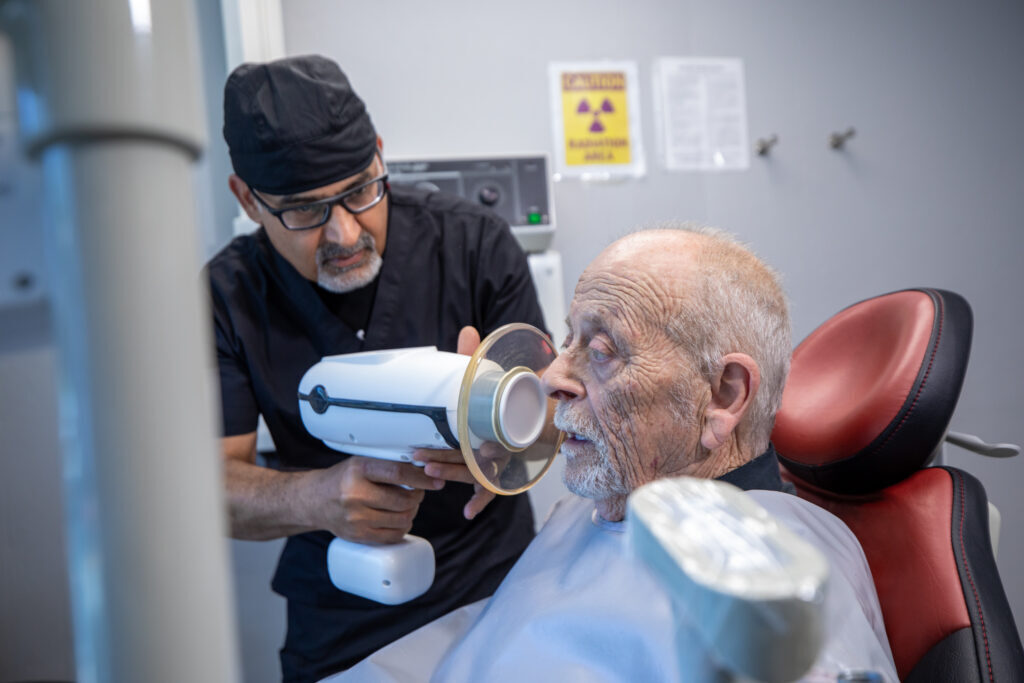
2026-06-23
Bleeding gums when brushing or flossing? Learn the common causes of bleeding gums, when to be concerned, and when to see a dentist in Torrance, CA.
Read article
2026-05-26
Loose tooth as an adult? Learn the causes, what to do immediately, and when to see a dentist in Torrance, CA before it becomes serious.
Read articleNeed more help? Read our accessibility statement.