
Scaling and Root Planing Visit: What to Expect
A scaling and root planing visit is easier to plan for when the logistics are clear ahead of time. This guide covers what patients can generally expect, from arrival to booking the next appointment, along with the questions worth asking at each step.
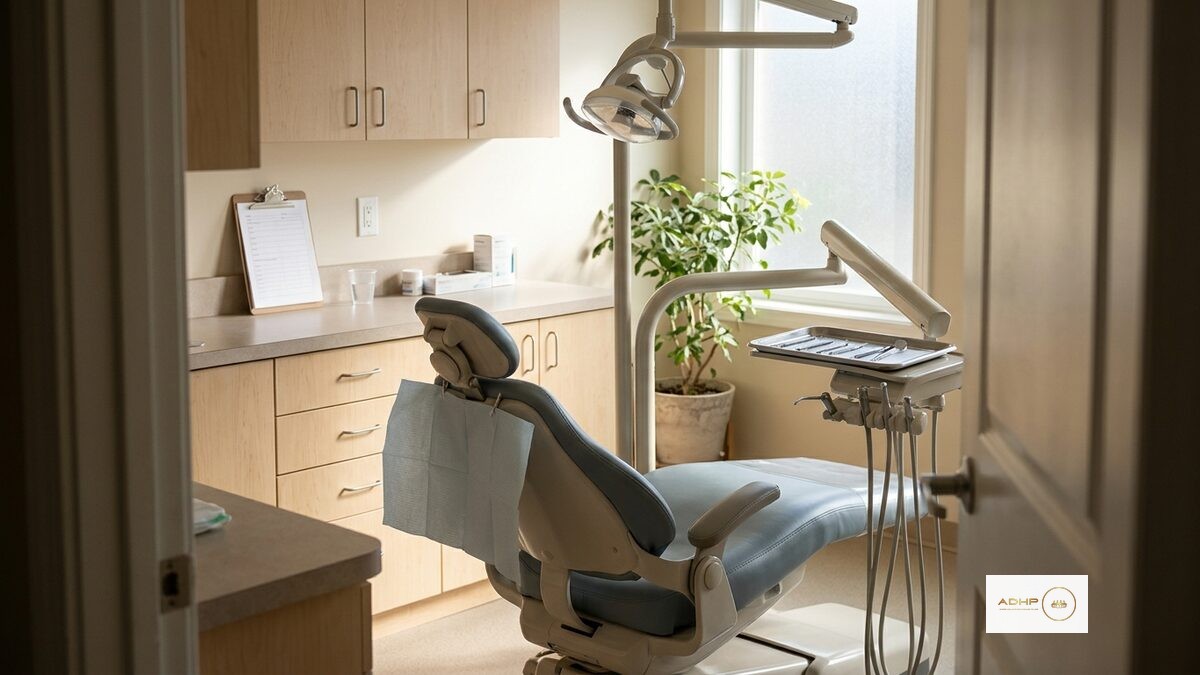
Scaling and root planing is often described as a deep cleaning. In general terms, a dentist or dental hygienist works on the teeth and the area below the gum line using hand instruments or an ultrasonic device, then smooths the root surfaces of the teeth. Whether this appointment suits a particular patient is a clinical decision, and it belongs in a conversation with the provider who recommended it. This article covers the practical side: how to prepare, how the visit is usually structured, and what to sort out before you head home.
Booking the visit. Start by confirming the basics when you call. ADHP lists offices in Downey, Fallbrook and Torrance, with hours of 9am to 5pm and open days that vary by office, so check the schedule for the location you plan to visit. The Downey office can be reached at (562) 923-0038, Fallbrook at (760) 723-1193 and Torrance at (310) 212-0702. When you call, confirm which services are available at that location and that your appointment is booked for the visit your provider recommended.
It also helps to have a few questions ready for the scheduling call:
- How long to plan to be at the office for this appointment.
- Whether the work is planned for a single appointment or spread across more than one.
- Which forms can be completed ahead of time, and what to bring, such as a photo ID, your insurance card and a current list of medications.
- Whether there is anything to do, or avoid, on the day of the visit.
Insurance and payment. Rather than assuming anything about coverage, call to verify your benefits before the appointment. The site's Insurance and Financing page describes help with using dental insurance benefits and payment plans arranged with the practice's financial coordinators. Having your insurance card and any paperwork from your plan in hand makes that conversation quicker, and it means fewer surprises at check-in.
Using the website form. If you request an appointment online, note that the contact page asks visitors not to include medical details, diagnoses or images, because a web form is not a private channel. Save clinical questions for a phone call or for the appointment itself. The same page notes that anyone in pain right now should call the office directly rather than wait on a form.
How a scaling and root planing visit is usually structured
Check-in. Arriving a little early leaves room for paperwork, an insurance check and any updates to your health history. Expect questions about current medications and anything that has changed since your last visit. Full, accurate answers help the clinical team plan the appointment, so bring your medication list rather than working from memory.
Meeting the clinician. Once you are seated, you typically meet the dentist or dental hygienist doing the work. They may go over the plan for the session, including which areas of the mouth are included that day. This is a good moment to ask how long the session is expected to run, how to signal that you need a break, and whether they can explain each step as they go if that would help you feel more settled.
The work itself. The scaling portion uses hand instruments or an ultrasonic device on the teeth and below the gum line. Root planing follows, with instruments used to smooth the root surfaces. The specifics, including the order of the work and how much is done in one sitting, are decided by the clinician for each patient, so treat the plan you are given as the one that applies to you.
Comfort and numbing options. Anesthesia or sedation may be used during scaling and root planing, and the options are best discussed with the provider before the day of the visit rather than in the chair. ADHP lists sedation dentistry among its services. Whether any comfort option is appropriate for you depends on your health history and is a decision to make with the provider. Useful questions include:
- Which numbing or comfort options are being considered for this appointment.
- If sedation is discussed, whether you need someone to drive you home, and whether there are instructions to follow beforehand.
- How to let the clinician know during the session if you feel uncomfortable.
After the visit: aftercare questions and follow-up booking
Before you leave the chair, make sure you understand the aftercare instructions for your situation. Ask for them in writing if you can, so you are not relying on memory once you are home. Instructions differ from patient to patient, which is why the guidance from your own provider takes priority over general advice found online. Questions worth asking before you go:
- What to eat and drink in the hours after the appointment, and when.
- How to brush and floss around the treated areas, and whether any particular products are recommended.
- Whether any medication is being prescribed, and exactly how and when to take it.
- What to watch for after the visit, and which number to call with questions.
The home routine. Daily oral hygiene at home is part of the instructions patients typically receive after scaling and root planing. If the technique you are shown differs from your usual habits, ask the clinician to demonstrate it before you leave, and say so if anything is unclear.
Follow-up scheduling. Booking the next appointment before you leave the office saves a phone call later. Ask when the follow-up should be, what it is expected to involve, and whether ongoing periodontal maintenance visits are part of your plan. If your schedule is tight, ask whether a later visit can be booked at a different office; the site states that the same standard of care applies across its offices, and open days vary by location, so confirm the day before you commit.
A short checklist for the day. Pulling it together, here is what to have ready for a scaling and root planing visit:
- Photo ID, your insurance card and any completed forms.
- A current list of medications.
- Your questions, written down so none are forgotten.
- A ride home, if sedation has been discussed for the appointment.
- Time in your schedule afterward to read through the aftercare instructions.
Knowing what to expect turns the visit into a series of manageable steps: book, prepare, check in, ask questions, and leave with clear instructions and a follow-up date. The clinical details, from comfort options to aftercare, are set by the provider for each patient. If questions come up before your appointment, call the office where you are booked.
This article is informational and is not medical advice. Treatment decisions should always be made in consultation with a qualified dentist or periodontist.

Concerned about something you’ve read here?
Book an assessment at any of our three Southern California offices.