2026-06-23
Signs You May Need A Dental Crown In Fallbrook Ca
Wondering if you need a dental crown? Learn the common signs, how dental crowns work, and when to see a dentist in Fallbrook, CA for evaluation and treatment.
Read article
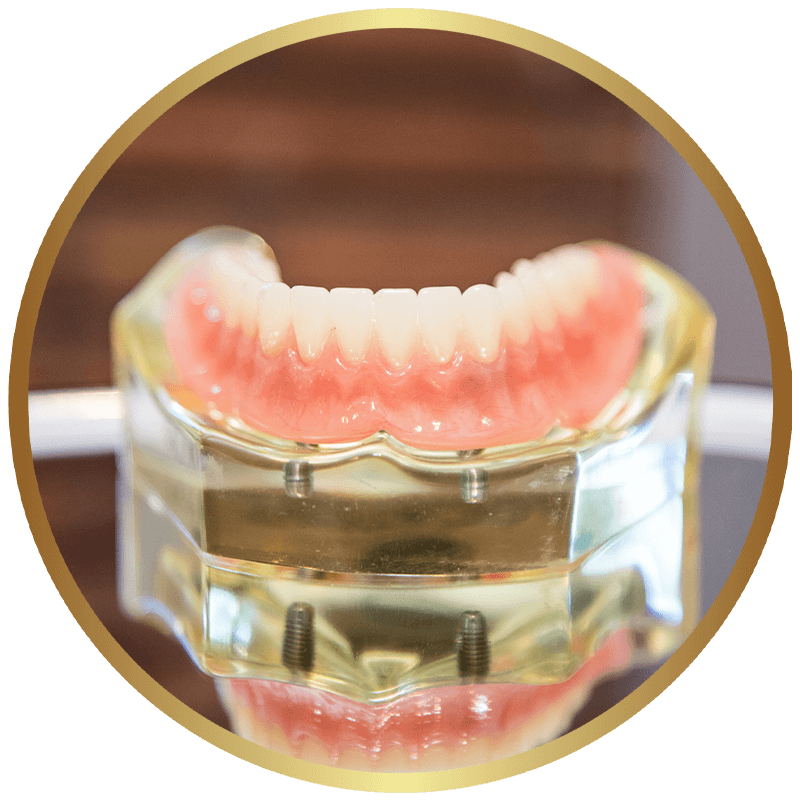
All-on-4 — also called full-arch implants or All-on-X — is a technique that replaces an entire arch of missing or failing teeth using four or more strategically placed implant posts. A fixed prosthetic arch is permanently secured to those posts. Unlike conventional dentures, it does not come out, does not require adhesive, and does not shift while eating or speaking.
ADHP offers full-arch implant reconstruction at all four of our Southern California offices: Downey, Fallbrook, Torrance, and Long Beach.
Your care begins with a comprehensive consultation that includes a thorough clinical exam, review of your medical and dental history, and CBCT cone-beam 3D imaging to assess the bone volume and anatomy of your jaw. We discuss your goals, explain every step, and provide a written treatment plan.
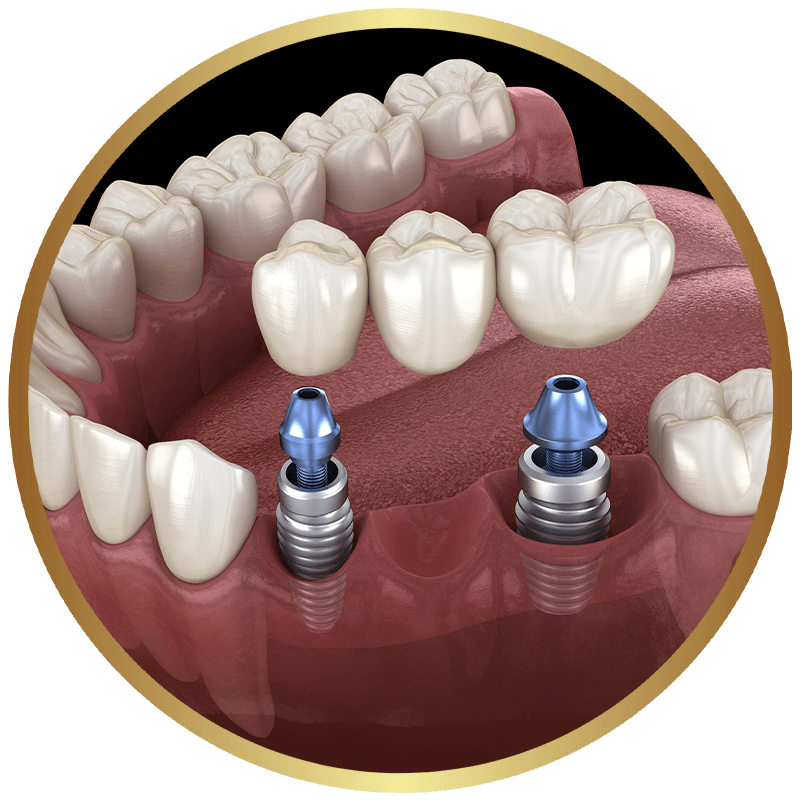
In many cases, any remaining teeth that cannot be preserved are extracted at the same appointment as implant placement. Four or more titanium posts are then placed in the jawbone at precisely planned angles to achieve maximum stability even in areas where bone has already been lost. A temporary prosthetic arch is typically attached the same day, so you leave with a complete, functional smile.
After osseointegration — the process in which the implant posts fuse with living bone — is confirmed, usually over several months, the final prosthetic arch is fabricated and fitted. Our in-house dental laboratory handles this fabrication for precise, consistent results.
Full-arch implants are appropriate for patients who are missing most or all of the teeth in one or both arches, or who have teeth that cannot be restored and need to be removed. Patients who have tried conventional dentures and find them unstable or uncomfortable are also strong candidates.
Candidacy is confirmed through the consultation and CBCT imaging. Adequate bone must be present to anchor the implant posts — however, where bone has been lost, zygomatic implants (which anchor in the cheekbone rather than the upper jaw) may be an option. ADHP is one of the few practices in Southern California that performs zygomatic implant procedures; see our page on zygomatic implants for more information.
General health is also evaluated: conditions such as uncontrolled diabetes require management before surgery, and smoking significantly increases the risk of implant complications.
Conventional dentures rest on the gum tissue and do not anchor in the bone. Over time, as the bone continues to resorb, dentures can become loose and require repeated adjustments or replacement. All-on-4 implants, by contrast, integrate with the bone and stimulate it — preventing further resorption the way natural tooth roots do. The prosthetic arch is fixed in place, functions like natural teeth, and requires no adhesives.
Caring for a full-arch implant restoration is straightforward. Clean around and under the prosthetic arch twice daily using implant-specific brushes and a water flosser. Attend professional cleanings at least twice a year; we use instruments designed for titanium surfaces to avoid scratching the implant posts. Avoid chewing hard objects such as ice or hard candy, which can damage the prosthetic arch. Report any discomfort, looseness, or bite changes promptly.
Each full-arch case is unique. Variables that shape the plan include the number of remaining teeth and their condition, the bone volume in the upper and/or lower jaw, whether zygomatic implants are indicated, the material chosen for the final prosthetic arch (acrylic or zirconia), and any preparatory procedures needed. We outline all of this in the written plan provided at your consultation.
To learn more about full-arch implant reconstruction, visit our full-mouth implants page. To schedule a consultation at any of our Southern California offices, contact us — we will evaluate your situation thoroughly and show you exactly what your treatment would involve.
This article is general information published by American Dental Health Providers. It is not a diagnosis and does not replace an in-person examination. If you have symptoms, book an appointment or call (562) 923-0038.
Book an assessment at any of our four Southern California offices.
2026-06-23
Wondering if you need a dental crown? Learn the common signs, how dental crowns work, and when to see a dentist in Fallbrook, CA for evaluation and treatment.
Read article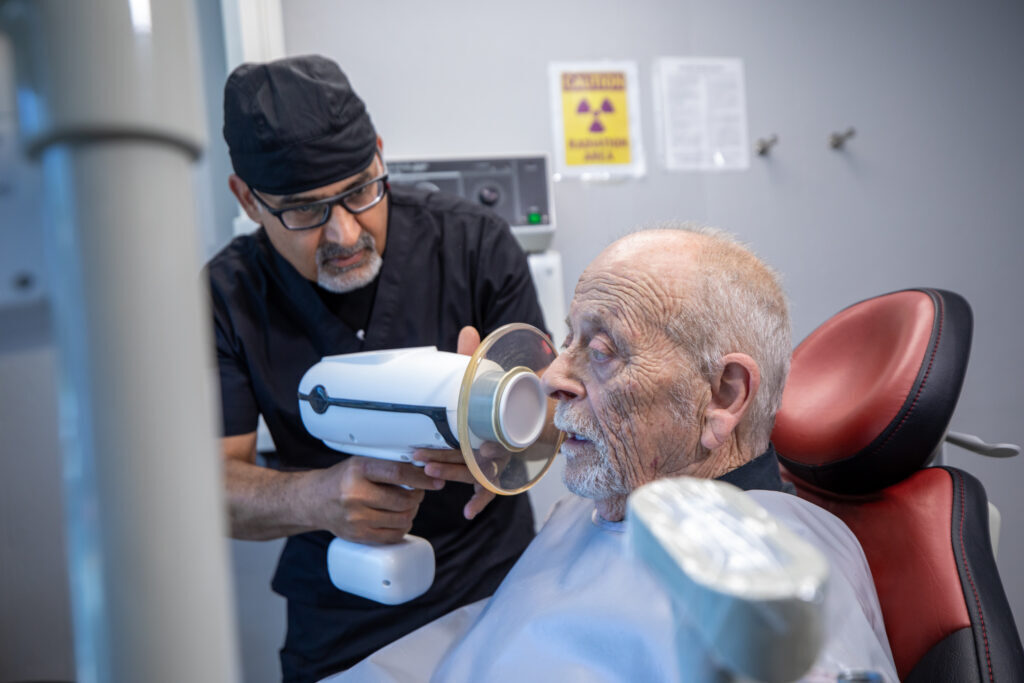
2026-06-23
Bleeding gums when brushing or flossing? Learn the common causes of bleeding gums, when to be concerned, and when to see a dentist in Torrance, CA.
Read article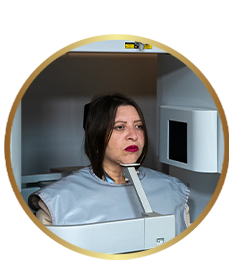
2026-05-26
Loose tooth as an adult? Learn the causes, what to do immediately, and when to see a dentist in Torrance, CA before it becomes serious.
Read articleNeed more help? Read our accessibility statement.