2026-06-23
Signs You May Need A Dental Crown In Fallbrook Ca
Wondering if you need a dental crown? Learn the common signs, how dental crowns work, and when to see a dentist in Fallbrook, CA for evaluation and treatment.
Read article
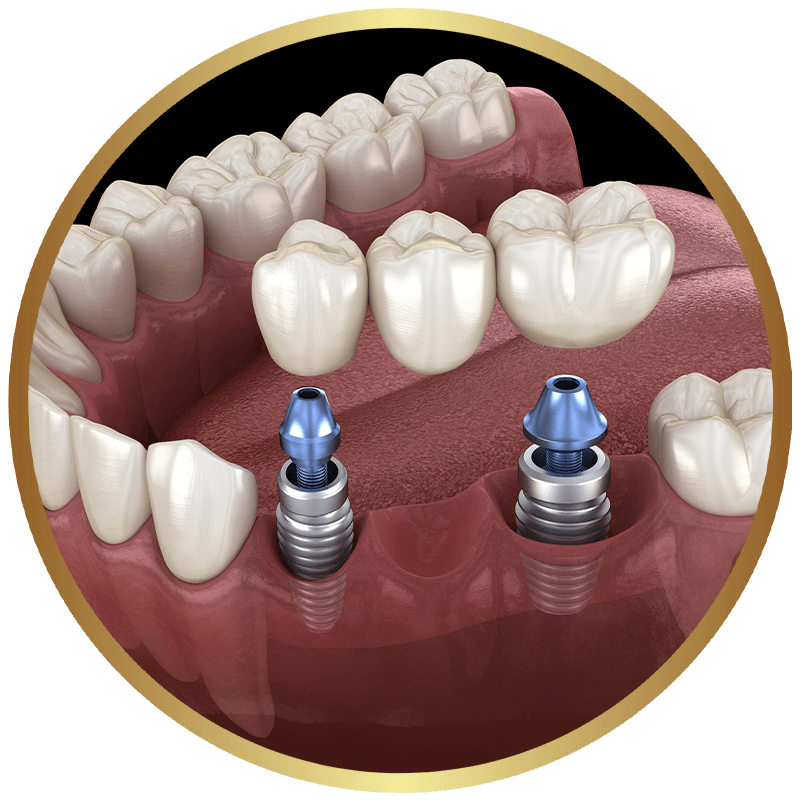
A dental implant is designed to last a lifetime — but that longevity depends on consistent care at home and regular professional maintenance. The titanium post itself will not decay, but the soft tissue and bone that surround it can still be affected by bacterial infection. Peri-implantitis — infection of the gum and bone around an implant — is the leading cause of implant failure after the initial healing period. It is preventable.
Brush at least twice a day using a soft-bristle toothbrush. Hold the brush at an angle to reach the gum margin around the crown, where bacterial plaque accumulates. Implant-specific brushes are available and can be useful for getting into small spaces around the crown and abutment.
Use implant-specific floss (such as Super Floss) or a water flosser to clean around the base of the crown at the gum line. A water flosser is particularly effective for reaching beneath the crown margin where a standard floss thread may not reach comfortably. Clean around the implant once daily at minimum.
Use non-abrasive toothpaste. Highly abrasive pastes can scratch the crown surface over time, creating microscopic grooves where bacteria can accumulate.
If you have a full-arch prosthetic arch, an interdental brush and a water flosser are the most effective tools for cleaning under and around the arch. Your care team will demonstrate the specific technique that works for your restoration at your follow-up appointments.
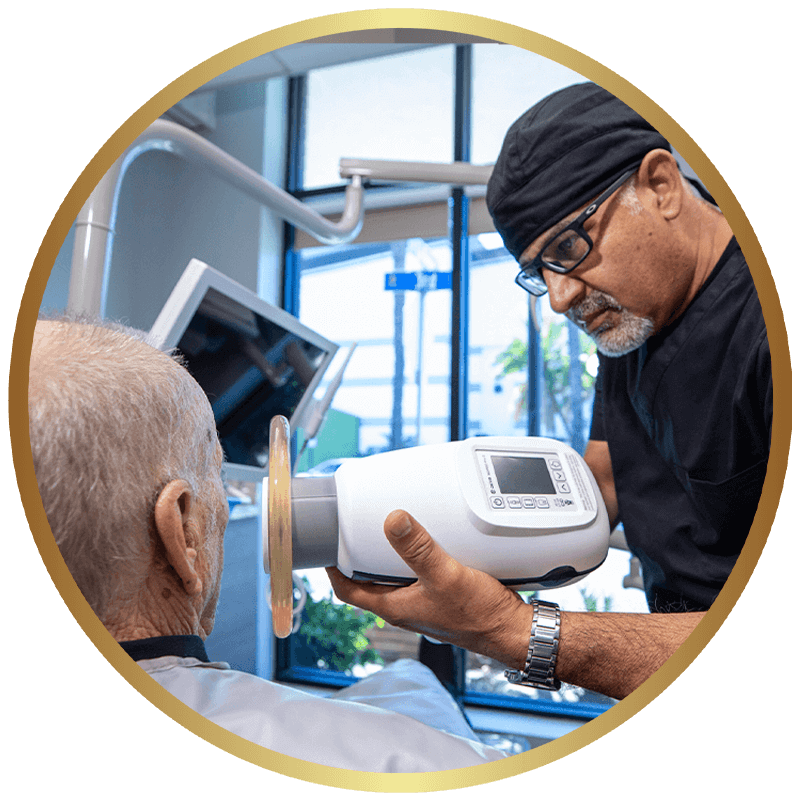
Schedule professional cleanings at least every six months. At ADHP, our hygienists use instruments specifically designed for implant surfaces — titanium-compatible tools that clean effectively without scratching the post. At every maintenance visit, we also assess the gum tissue and bone level around each implant for early signs of inflammation or bone change. Catching peri-implantitis in its earliest stage (peri-implant mucositis) means it can be reversed without bone loss.
Do not wait for your next scheduled visit if you notice any of the following:
These are not normal and warrant a prompt call to our office.
Several habits have a significant impact on long-term implant health:
Avoid chewing on hard objects: Do not chew ice, hard candies, or use your teeth to open packaging. Crowns — whether on implants or natural teeth — can chip or crack under that kind of force.
Wear a night guard if you grind: Bruxism (nighttime grinding or clenching) places heavy repetitive force on implants and is one of the primary causes of implant complications. A custom night guard distributes this force and protects both the crown and the underlying post.
Protect your jaw in sports: If you play contact sports, wear an athletic mouth guard. A single traumatic impact can damage an implant crown or fracture the underlying bone.
Do not smoke: Tobacco dramatically increases the risk of peri-implantitis and impairs the healing capacity of the gum and bone. If you are a smoker, we encourage you to discuss cessation support with your physician before and after implant placement.
Even with excellent care, implant complications can sometimes occur. Early intervention makes a significant difference in outcomes. ADHP offers LAPIP (Laser-Assisted Peri-Implant Procedure), a minimally invasive treatment for peri-implantitis that can often stabilize and preserve a failing implant. If you are experiencing problems with an existing implant placed elsewhere, we welcome you to schedule an evaluation.
Consistent follow-up is as important as daily home care. Contact us to schedule your next cleaning and implant check — our team will make sure your restoration is performing exactly as it should.
This article is general information published by American Dental Health Providers. It is not a diagnosis and does not replace an in-person examination. If you have symptoms, book an appointment or call (562) 923-0038.
Book an assessment at any of our four Southern California offices.
2026-06-23
Wondering if you need a dental crown? Learn the common signs, how dental crowns work, and when to see a dentist in Fallbrook, CA for evaluation and treatment.
Read article
2026-06-23
Bleeding gums when brushing or flossing? Learn the common causes of bleeding gums, when to be concerned, and when to see a dentist in Torrance, CA.
Read article
2026-05-26
Loose tooth as an adult? Learn the causes, what to do immediately, and when to see a dentist in Torrance, CA before it becomes serious.
Read articleNeed more help? Read our accessibility statement.