
How to Book a Visit and Pick the Right Office
Booking a first visit is mostly logistics: pick the office, pick how to reach it, and have a few details ready. Here is how each step works on the ADHP site.
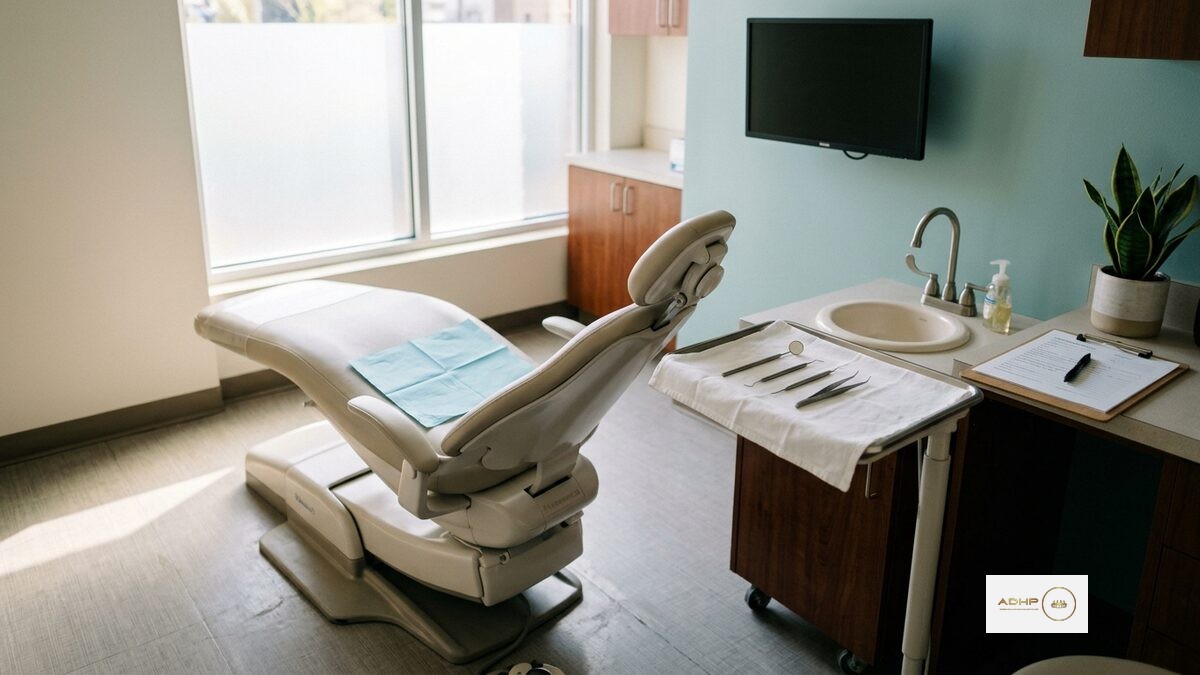
Requesting a visit at ADHP starts with two choices: which office to use and which channel to use to reach it. The site lists offices in Downey, Fallbrook and Torrance, and offers online booking, a contact form and direct phone lines. Each route suits a slightly different situation. A few minutes of prep usually makes the first call shorter and clearer.
Start with location. The site gives hours of 9am to 5pm and notes that open days vary by office, so the closest office is not always the one open on the day you need. If your work schedule is fixed, check each location's open days before you pick one. The phone numbers published on the site are:
- Downey: (562) 923-0038, which is also the number listed for new patients
- Fallbrook: (760) 723-1193
- Torrance: (310) 212-0702
- Long Beach: the site lists this office as closed and points callers to the Downey number, (562) 923-0038
Next, decide how to get in touch. There are three routes. Online booking is available for the Torrance, Fallbrook and Downey offices from the Contact page. The general contact form covers the same three locations and is meant for appointment requests and general inquiries. A phone call to the office remains the most direct option, and the site specifically asks anyone in dental pain to call the office rather than waiting on a form.
The contact form requires a first and last name, an email address, a preferred location and a reason for the visit. Optional fields cover a phone number, a desired consult date, a preferred method of communication (phone call, text message or email) and the best time of day to be reached. You can skip the optional fields, but filling them in helps the office match your request to an open time.
One instruction on the form is worth reading twice: the site asks patients not to include medical details, diagnoses or images in the reason-for-visit box, because a web form is not a secure channel. A short, general reason works well here, for example a new patient consultation or a scheduling question. Health history, medication lists and records belong in the office's intake process, not in a website message.
Submitting the form sends a request; it does not book an appointment. Until a specific time has been confirmed, it is safest to treat the date as tentative. Anyone who needs certainty, perhaps to arrange time off work or a ride, can call the office directly to check where a request stands.
Whichever route is used, having a few things on hand makes the first conversation easier:
- Your insurance card and, if the plan is held by someone else, the subscriber's name and date of birth
- A list of current medications, including over-the-counter products and supplements
- Notes on any health conditions, allergies or recent hospital visits you want the provider to know about
- Contact details for your previous dentist, if you plan to request records
- Your calendar, with the days and times you can realistically attend
Insurance usually comes up on the first call. The site has an Insurance & Financing page that describes help with insurance benefits and payment plans, but coverage depends on the individual plan, so it is worth calling the office to verify your coverage before the visit rather than assuming a particular service is included. Writing down the plan name, member ID and group number before calling saves time on both ends.
Language matters too. The website includes an EN / ES toggle, so site content, including office details and the contact page, can be read in English or Spanish. Patients who prefer to discuss their visit in a particular language can ask about this when they call.
Privacy works in two layers. The site's privacy policy covers information submitted through the website itself, such as contact form entries and standard technical data like IP address and browser type. Health information created or received as part of care is governed separately by the practice's HIPAA Notice of Privacy Practices, which the site states is available at any of its offices. Patients who want to read it before treatment can ask for a copy at check-in.
On the day of the visit, it can help to arrive a little early to allow time for paperwork, to bring a photo ID along with the insurance card, and to carry the medication list in written form rather than relying on memory. If anything has changed since the appointment was made, such as a new medication or a new insurance plan, mention it at the front desk.
Clinical questions, including whether a particular service fits your situation, what the visit will involve for you, and how any care would be sequenced, are best raised directly with the provider during the consultation. The scheduling conversation is about logistics; clinical guidance belongs with the provider.
This article is informational and is not medical advice. Treatment decisions should always be made in consultation with a qualified dentist.
Concerned about something you’ve read here?
Book an assessment at any of our three Southern California offices.